About 65 minutes
I, the Unspeakable — Reading Notes
Machines Invention
14,779 recorded words. 5 minutes difference from this book's estimate.
View Gutenberg source #51210
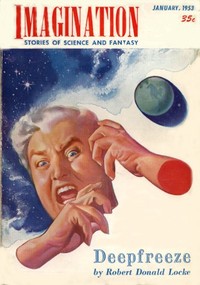
Adolescents Only — Text and Context can be approached with a clearer sense of reading commitment from its source measurements: 13,692 words, 1 hr estimated reading time, and 2 detected text sections.
The text analysis averages about 14.6 words per sentence, while the detected sections provide another way to judge how the source is divided.
Project Gutenberg metadata also associates the work with “Science fiction,” connecting these edition facts with the source record’s subject description.
Explore this collection
These alternatives are selected using recorded categories and estimated reading time.
About 65 minutes
Machines Invention
14,779 recorded words. 5 minutes difference from this book's estimate.
View Gutenberg source #51210About 45 minutes
Machines Invention
10,240 recorded words. 15 minutes difference from this book's estimate.
View Gutenberg source #51304About 44 minutes
Machines Invention
10,086 recorded words. 16 minutes difference from this book's estimate.
View Gutenberg source #49838Search stored excerpts and compare books → Choose by your preferences →
Choices use stored catalog measurements. Estimates vary with reading speed. A shared category is a catalog label, not a claim that two books have the same argument or literary quality.
Search reads excerpt text stored with this catalog and links to its associated Gutenberg record. The connection is stored in the site database; this tool does not recheck that every excerpt is word-for-word identical to that external record. Excerpt search does not cover every chapter and does not verify historical publication dates.
Catalog snapshot checked: 2026-09-25. Coverage: 100 public books, 100 available source excerpts.
Read the complete public-domain text at its original source.
Read on Project GutenbergIrving Cox, Jr.'s Adolescents Only opens with a teacher, Gary Elvin, enduring yet another weekend party thrown by his hosts' popular tenth-grade twins. The story quickly moves from this domestic irritation to a meteorite crash that sets off a chain of bizarre events. The narrative structure alternates between Elvin's personal frustrations and large-scale communal chaos, using recurring images of transformation—a jungle, a medieval castle, a factory—that appear and vanish without explanation. These shifts are not merely fantastical; they are tied to the emotional volatility of the teenagers, suggesting that the real engine of the plot is adolescent whim.
Gary Elvin is positioned as an outsider in a world dominated by teenagers. He counts the weeks until summer, dreams of a college job, and finds refuge on a damp patio away from a bubble gum contest. His internal monologue reveals a man who has mastered “classroom control” yet is powerless in his private life. The Schermerhorn twins are described as “husky, blond Greek Gods” with a red convertible and a swimming pool—details that emphasize their effortless superiority. Elvin’s role is largely reactive: he stumbles upon the meteorite, watches the transformations, and later helps untangle traffic jams. He never initiates action, which makes him a reliable lens through which the reader experiences the escalating absurdity.
The meteorite is initially treated as a science teacher’s prize—Elvin thinks Miss Gerken will be “glassy-eyed with pleasure”—but it quickly becomes the source of radical environmental shifts. The first sign is a “weird, shrill, rhythmic sound” that defies musical definition. Later, the sky darkens and a jungle appears, followed by a medieval castle, then a factory, then the original bank and stores. Each transformation lasts less than thirty seconds, creating a rhythm of instability. The crowd’s reaction shifts from terror to cheering, as if watching a spectacle. The meteorite does not merely bring aliens or monsters; it brings a collapse of stable reality, replacing it with a succession of fleeting, incompatible landscapes.
The discovery of gold in the desert triggers a second wave of disruption. The narrative shifts from visual transformations to social and economic breakdown. Cars jam, fights break out, and the town is flooded with prospectors arriving “in anything that would move—bicycles and Cadillacs, Model T's and Greyhound buses.” The gold yield is absurdly vast—enough to collapse world currencies. Treasury men estimate “two or three hundred thousand times the known gold supply.” The story then reports that three nations are bankrupt and retail prices skyrocket. This sequence moves from local chaos to global consequence, all driven by the same adolescent energy that fueled the parties. The gold, like the shifting scenery, is a material manifestation of unchecked desire.
Throughout the excerpts, adolescence is linked to volatility and transformation. The twins’ parties are described as “juvenile,” and the town’s descent into chaos mirrors the mood swings of teenagers. The meteorite’s effects—sudden, unpredictable, and visually dramatic—echo the emotional landscape of high school. The crowd’s “explosive instability” and “glassy-eyed greed” are terms that could apply to the teenagers themselves. Even the economic disaster is framed as a consequence of unchecked desire, much like the twins’ endless parties. Cox uses the science fiction premise to externalize internal states: the world literally reshapes itself according to adolescent impulses, making the setting a projection of its youngest inhabitants.
Readers should pay attention to how Cox builds tension through accumulation—each new transformation or crisis adds to the previous one without resolution. The story does not explain the meteorite’s origin or the rules of its effects; instead, it presents a series of escalating disruptions. This structure rewards attention to the pacing of scenes and the way ordinary objects (cars, gold, buildings) become unstable. The teacher’s perspective remains grounded, which makes the surreal events more jarring. Approach the text as a study in how a small-town setting can be unmade by forces that are both external and deeply familiar.
I keep thinking about that teacher in the house with the twins, how their wildest wishes just started happening around them. It reminded me of another book, The Cool War — Reading Notes, where quiet rules bend the same way. Both left me holding my breath, wondering what we ask for without noticing. Strange, how a story can feel like a half-remembered dream you’re still waking from.
Capture what you thought, learned, and would like to remember.